Apr. 01, 2026
Share:Textile manufacturers and fabric factory owners—have you ever had this nightmare? You invest time and effort into developing fabrics and organizing production, eagerly waiting to deliver orders. Then suddenly, customer complaints flood in—fabrics start pilling after just one wear, tear easily with a slight pull, and fade badly after a few washes. What was supposed to be a high-quality order turns into endless after-sales issues, rework after rework, or even getting blacklisted by clients. The loss isn’t just money—it’s your hard-earned reputation and customer trust.
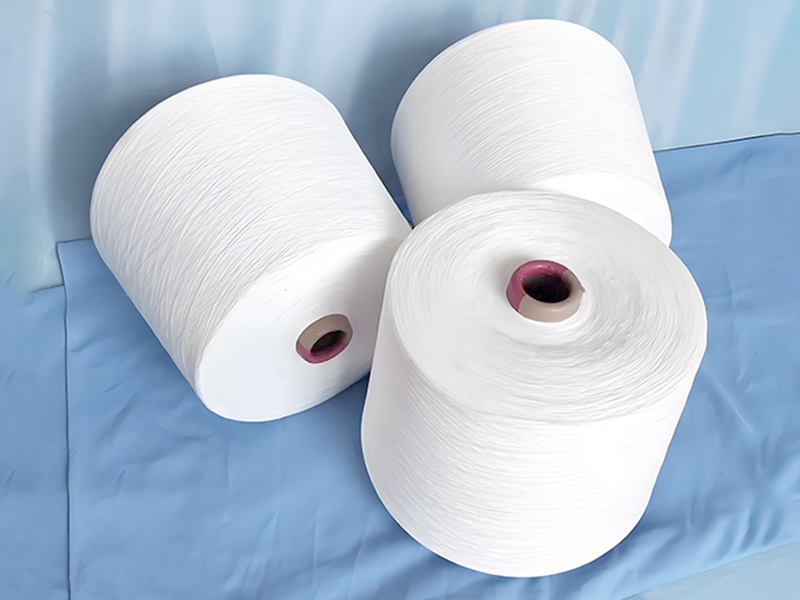
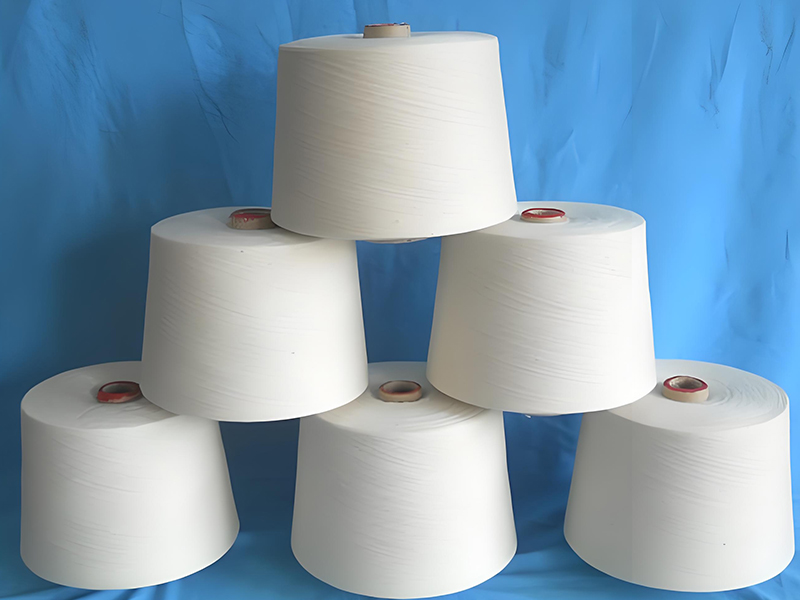
Many factory owners assume fabric issues come from weaving techniques or dyeing and finishing processes. They keep adjusting production workflows, investing more labor and resources, yet the problem never truly gets solved. The real root cause is simple: careless yarn selection. Yarn is the “foundation” of fabric—like steel and cement in construction. If the foundation is weak, even the best processes can’t fix it. Rework costs skyrocket, and in some cases, you may not even recover your initial investment.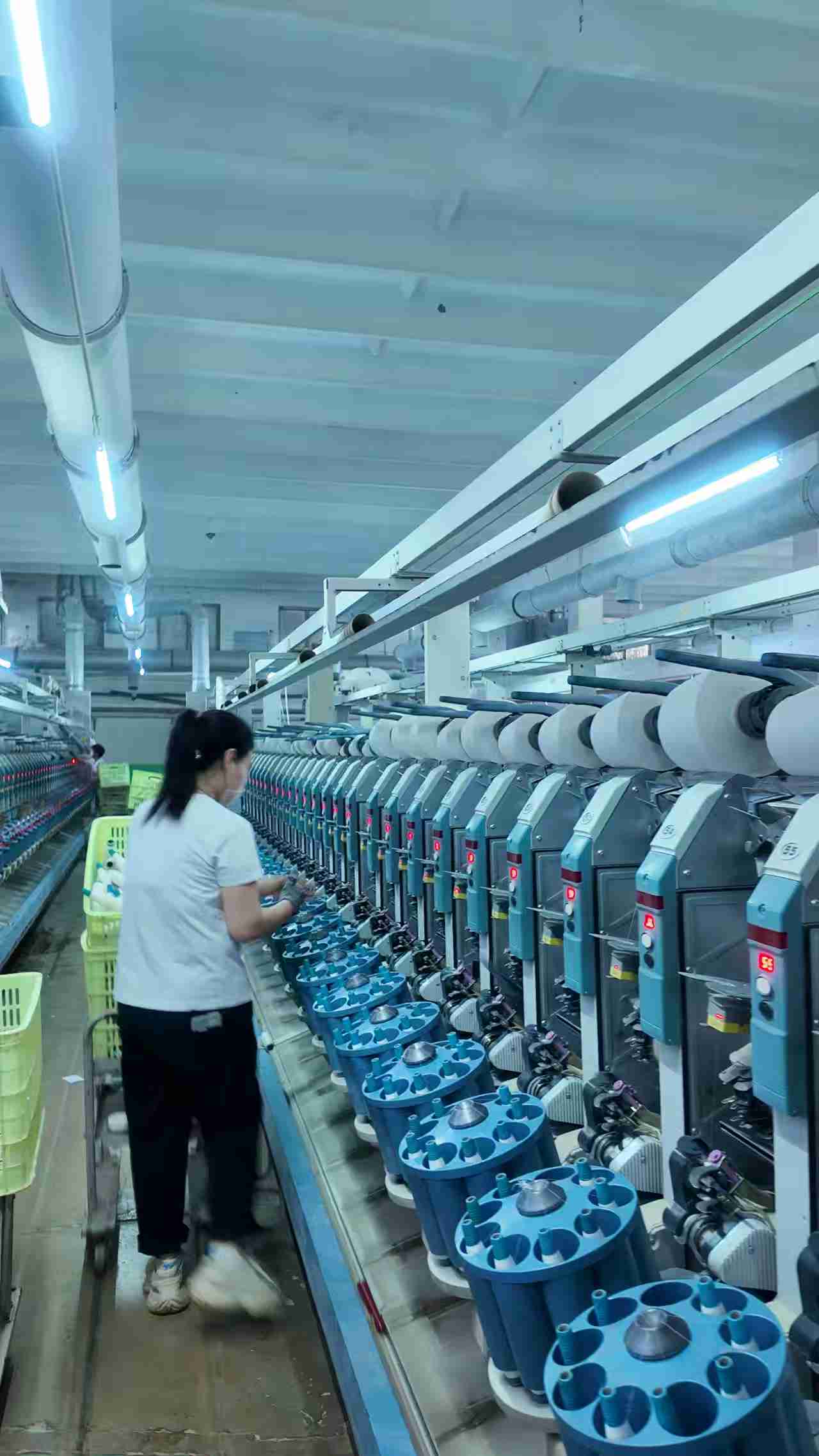
In today’s increasingly competitive textile industry, customers demand higher quality than ever. Fabric feel, durability, and color fastness directly determine your product’s competitiveness. Using the same process, the difference between high-quality and low-quality yarn is huge. Inferior yarn leads to rough texture, pilling, and deformation—hard to sell at a good price and prone to after-sales disputes. High-quality yarn, on the other hand, delivers smooth texture, resistance to pilling, and strong color fastness. It not only meets customer expectations but also boosts product value and repeat purchases—no more headaches from complaints.
The good news? Choosing yarn doesn’t have to be complicated. No guessing, no relying solely on experience, and no being misled by suppliers. Just remember these 3 core standards, and you can avoid almost all pitfalls:
1. Fiber Uniformity
High-quality yarn has evenly distributed fibers with consistent thickness and twist. Fabrics made from such yarn have clear texture, smooth hand feel, and no uneven thickness or localized pilling. They also distribute stress evenly, making them less prone to deformation. In contrast, uneven and disorganized fibers lead to pilling, fuzziness, and inconsistent quality.
2. Sufficient Strength
Yarn strength determines fabric durability. Both tensile strength and tear strength must meet industry standards. High-quality yarn resists breaking, is durable and wear-resistant, and produces fabrics that are less likely to tear or get damaged—ideal for garments and home textiles. Weak yarn breaks easily during weaving and leads to high defect and rework rates in finished products.
3. Minimal Defects
Good yarn is clean and free from neps, excessive hairiness, and impurities. This results in smooth, defect-free fabric surfaces with improved appearance and touch. Yarn with impurities not only reduces weaving efficiency but also causes visible flaws, lowering product quality and potentially failing customer inspections.
In the textile business, details determine success—and yarn is the most critical detail. Choosing the right yarn reduces rework costs, minimizes after-sales risks, and enhances fabric quality and competitiveness. Customers will come back on their own, and word-of-mouth will grow.
Stop wasting time and money on poor yarn choices. Remember these 3 core standards, avoid the pitfalls, and make your textile business smoother and more profitable!
Feel free to reach out for any queries. We would be happy to help!
Copyright @ Shijiazhuang Jiyu Textile Co., Ltd. All Rights Reserved |
Sitemap
| Powered by