Aug. 25, 2026
Share: When sourcing polyester-cotton yarns and greige fabrics for export, many clients face a frustrating issue: the samples look perfect, yet the
quality of the bulk shipment proves inconsistent. Such discrepancies can easily lead to cutting waste, rework that delays delivery, and even
customer complaints or compensation claims. The vast majority of these quality variations stem from changes in raw material batches, arbitrary
adjustments to production parameters, or non-standardized quality control procedures—issues that can be effectively avoided by strictly
managing the details.
To ensure consistency between samples and bulk goods, the first step is to establish a definitive "standard sample" and specific technical
parameters. Before commencing cooperation, a confirmed sample should be sealed and archived, and all specifications—such as yarn count,
tensile strength, evenness, shrinkage rate, and fabric defect standards—must be documented in writing rather than agreed upon verbally; this
aligns production and inspection standards from the very beginning. Furthermore, pre-production samples must be randomly selected from the
actual batch intended for mass production. Relying solely on samples from a dedicated sampling room can lead to quality gaps, as the
equipment and processes used for sampling often differ from those on the mass production line.
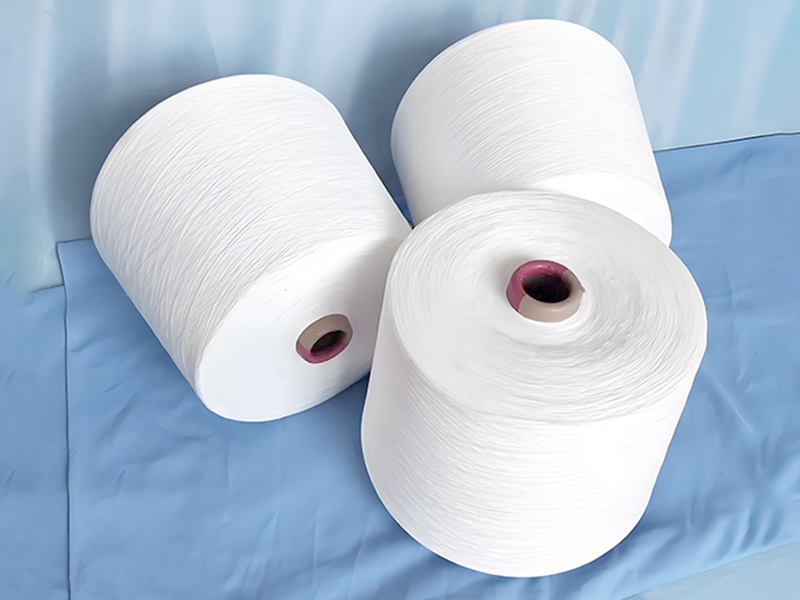
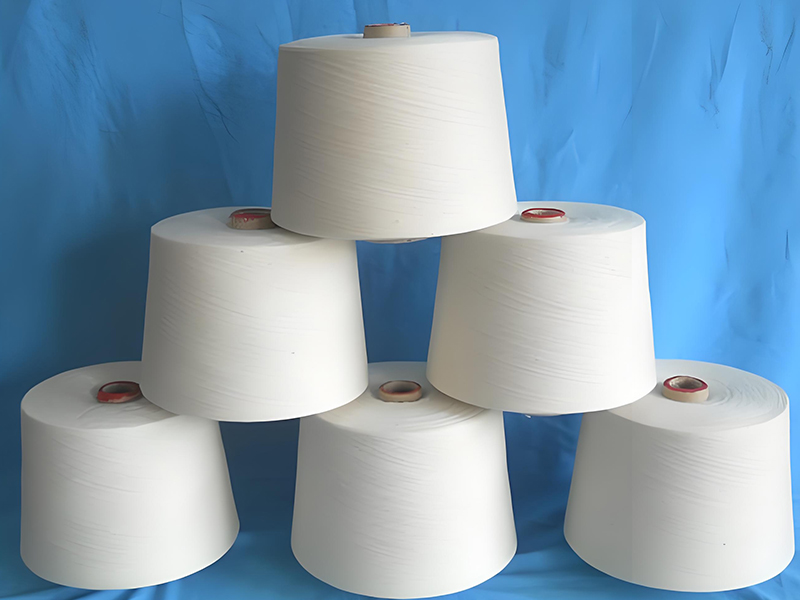
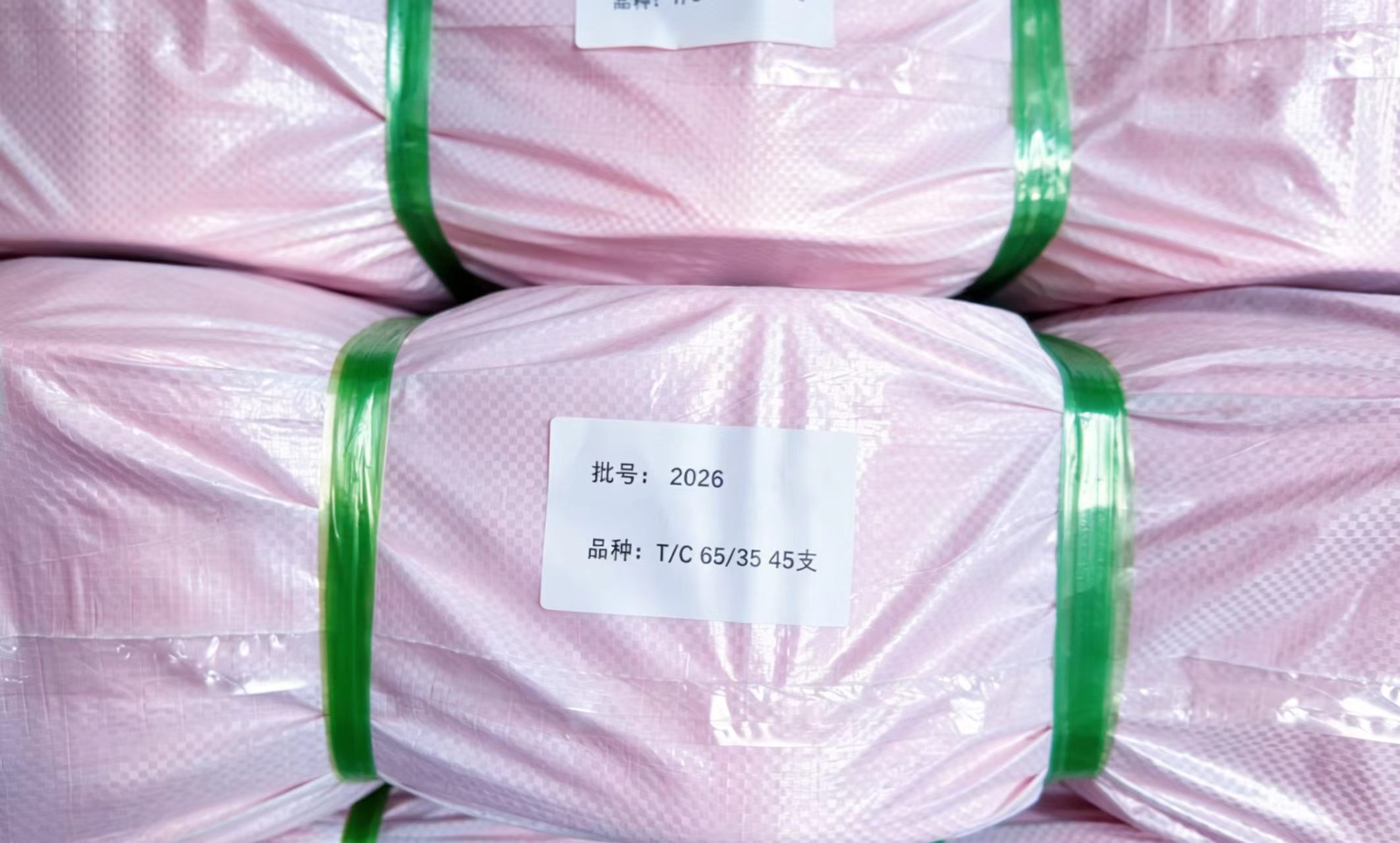
Consistent quality control is the key to matching bulk goods to samples. In our production of T/JC 65/35 polyester-cotton yarns and greige
fabrics, we maintain fixed raw material sources and standardized production parameters throughout the process. We conduct continuous
inspections during manufacturing and perform comprehensive, item-by-item testing and verification before every shipment.
Feel free to reach out for any queries. We would be happy to help!
Copyright @ Shijiazhuang Jiyu Textile Co., Ltd. All Rights Reserved |
Sitemap
| Powered by