Aug. 19, 2026
Share: Textile manufacturing is the craft of weaving natural fibers into our daily lives, inch by inch.
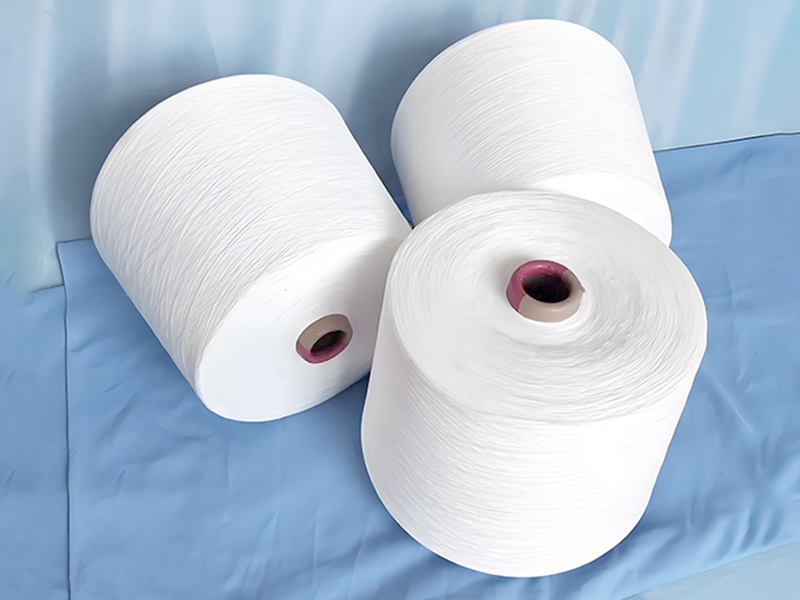
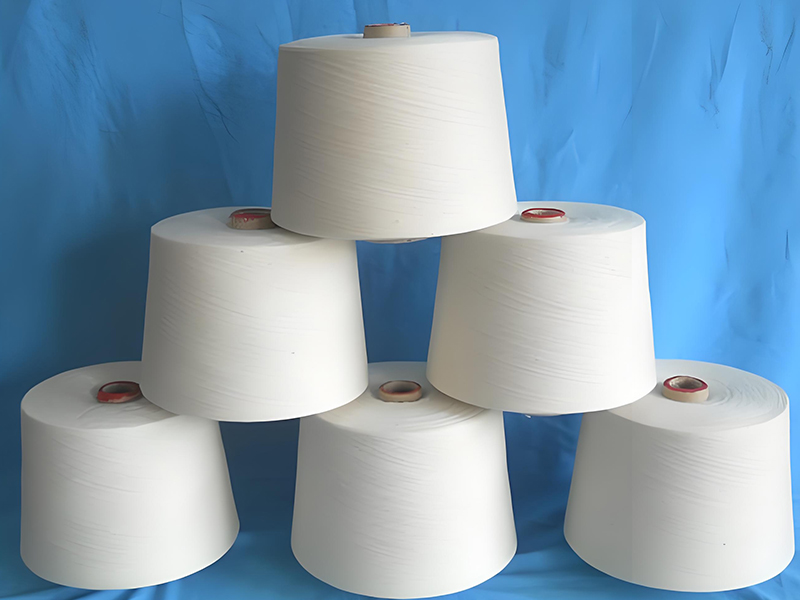
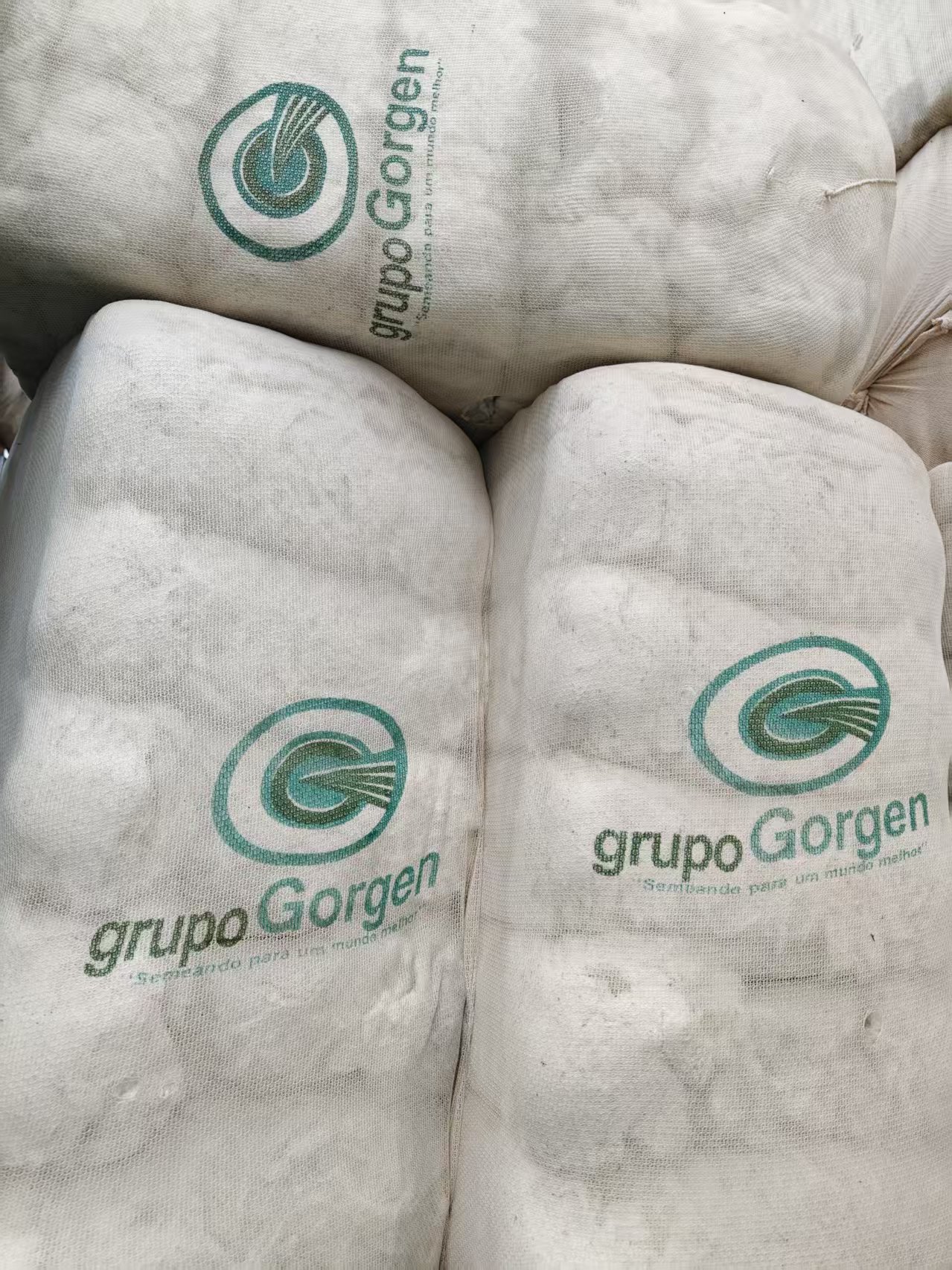
From American and Brazilian cotton to Xinjiang cotton, every boll journeys through processes—picking, cleaning, carding, drawing,
roving, andspinning—to ultimately become a strand of yarn that is both uniform and strong. Combed polyester-cotton blends, which
combine thebreathability and skin-friendly nature of cotton with the crispness and durability of polyester, represent the most practical
choice in the world of fabrics.
For those in the textile industry, daily life is a constant engagement with machinery, temperature and humidity controls, and yarn
specifications. A single nepp, a broken thread, or a deviation in twist can alter the hand-feel and luster of the finished product. Only
after more than a decade on the factory floor does one truly understand that "quality" is not merely a slogan, but the result of
meticulous attention to detail at every stage of production.
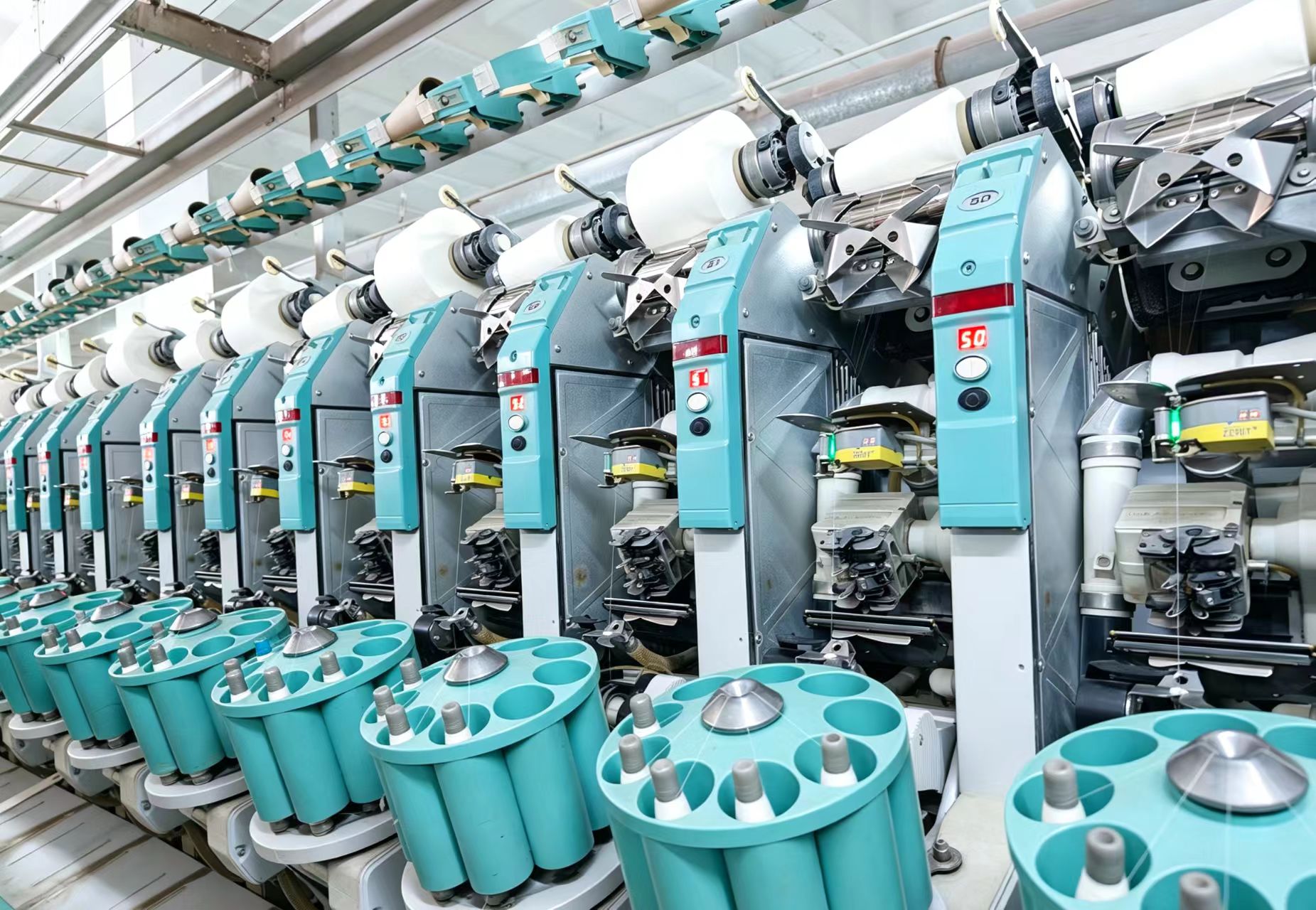
Modern textile manufacturing has long since moved beyond the old, labor-intensive model; digital scheduling, intelligent
inspection, and eco-friendly dyeing and finishing have breathed new life into this traditional industry. Yet, at its core, the reverence for
fibers and the unwavering commitment to craftsmanship remain unchanged. A single strand of yarn may be fine, yet it connects the
cotton farmer in the fields, the worker on the factory floor, and the consumer at the counter. Textile weaving creates more than just
fabric; it weaves together the daily lives and warmth of countless people.
Feel free to reach out for any queries. We would be happy to help!
Copyright @ Shijiazhuang Jiyu Textile Co., Ltd. All Rights Reserved |
Sitemap
| Powered by